
Hamster Struggling to Breathe: Red Flags and Safe Transport
If your hamster is struggling to breathe, contact an emergency veterinarian immediately. Open-mouth breathing, obvious effort with each breath, collapse, or extreme weakness can signal a life-threatening emergency. Hamsters can deteriorate quickly, so do not wait overnight or try home remedies first.
What to do right now:
- Call an emergency veterinary clinic. Tell them your hamster is having trouble breathing and ask whether they can provide immediate care for a hamster.
- Keep your hamster quiet. Avoid unnecessary handling, exercise, and repeated examinations.
- Move away from obvious irritants. If smoke, spray, or strong fumes are present, move your hamster to a clean-air area without delaying transport.
- Prepare a secure, ventilated carrier. Use familiar, unsoiled bedding and avoid heavy loose accessories.
- Leave for veterinary care promptly. Maintain a comfortable temperature and keep the journey calm.
Do not give human cold medicines, leftover antibiotics, inhalers, essential oils, or force food or water into your hamster’s mouth.
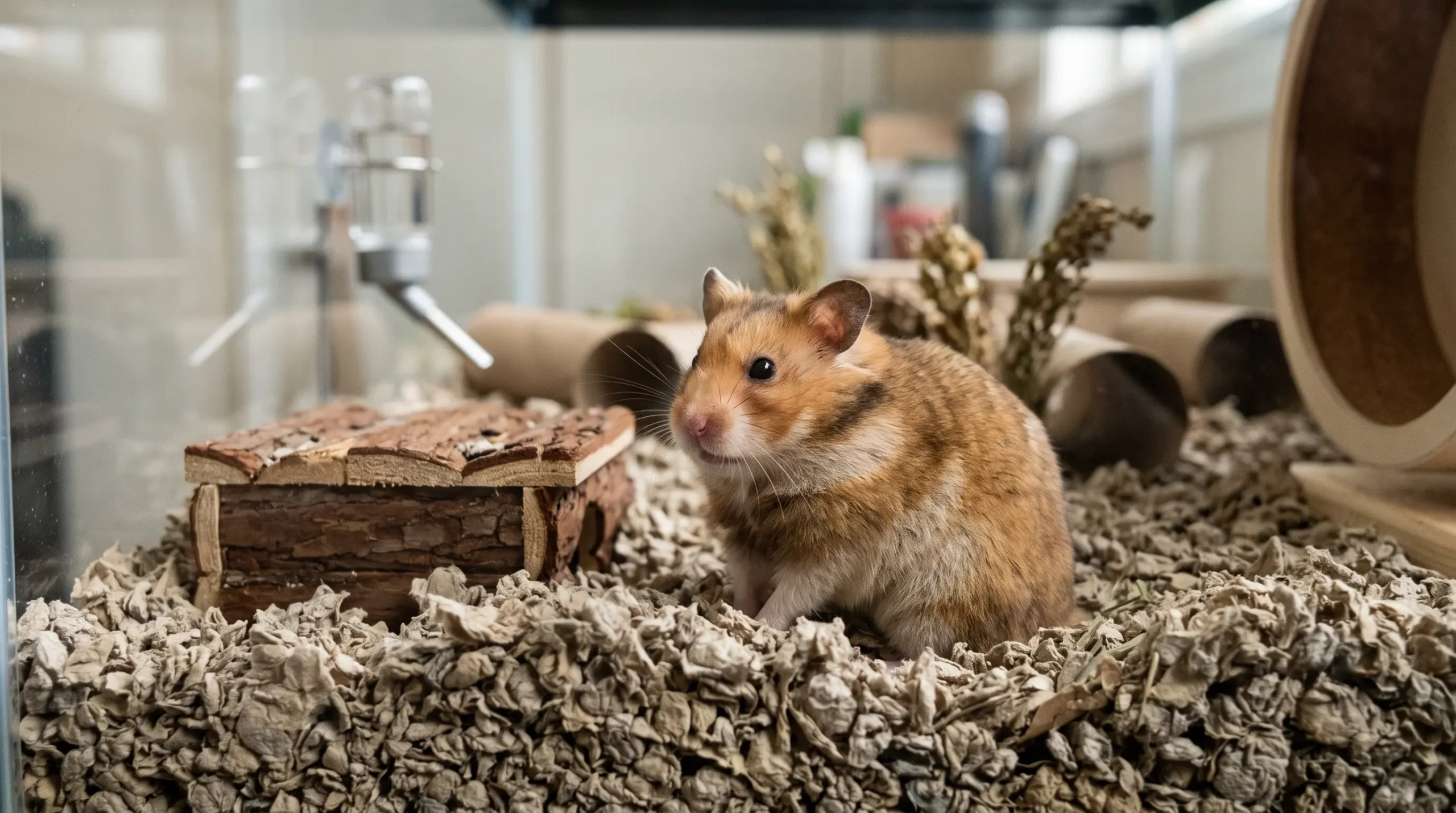
Emergency Warning Signs: What to Look For
A healthy hamster normally breathes quickly compared with a larger pet. Breathing speed alone is therefore less useful than changes in effort, posture, behavior, and overall condition.
Seek emergency veterinary care immediately if you notice:
- Open-mouth breathing or gasping: Your hamster repeatedly opens its mouth to breathe or appears unable to get enough air.
- Labored breathing: The sides, abdomen, or chest move unusually hard with each breath.
- Severe weakness or collapse: Your hamster cannot remain upright, barely responds, or appears profoundly exhausted.
- Blue or gray discoloration: Visible changes around the mouth or other normally pink tissues may indicate dangerously poor oxygenation.
- Breathing difficulty with marked distress: Your hamster struggles to settle, changes position repeatedly, or cannot move normally while breathing.
Do not restrain your hamster or pry open its mouth to inspect gum color. That can increase stress and interfere with breathing. The signs you can observe without handling are enough to justify urgent action.
These warning signs are consistent with veterinary guidance from the Merck Veterinary Manual and veterinary-reviewed information on hamster respiratory illness.
What About Wheezing, Clicking, or Fast Breathing?
Not every unusual sound means the same thing, but persistent breathing changes in a hamster deserve prompt veterinary attention.
- Wheezing or noisy breathing: May reflect an airway or respiratory problem, especially when it is new or accompanied by increased effort.
- Repeated sneezing with nasal discharge: Can occur with respiratory irritation or infection and should be assessed promptly.
- Rapid breathing at rest: Is more concerning when it is sustained, noticeably different from normal, or accompanied by weakness or unusual posture.
- Reduced appetite or activity: May indicate that a respiratory illness is already affecting your hamster’s general health.
A hamster may breathe faster temporarily after activity or stress. However, if breathing remains abnormal at rest or you cannot tell whether your hamster is struggling, contact a veterinarian instead of trying to determine the cause yourself.
Any obvious difficulty breathing warrants emergency care. Even milder, new respiratory symptoms should be discussed promptly with a veterinarian experienced in small mammals.
What Not to Do While Waiting for Veterinary Care
When a small pet seems short of breath, it can be tempting to try several treatments. Some common responses may make the situation worse.
- Do not force water or food. Syringe-feeding an animal that is struggling to breathe can increase distress and create an aspiration risk.
- Do not give unprescribed medicine. Human cold products, antibiotics intended for another animal, and inhalers can be inappropriate or dangerous for hamsters.
- Do not use essential oils or scented vapor. Strong fragrances and airborne substances may irritate an already compromised respiratory system.
- Do not place your hamster in a steam-filled bathroom. Avoid improvised steam or humidity treatments that have not been recommended by the treating veterinarian.
- Do not overheat or rapidly chill the hamster. Heating pads, hot water bottles, ice packs, and direct sunlight can introduce additional risks when used incorrectly.
- Do not repeatedly pick up your hamster to test its breathing. Excessive handling can cause additional stress.
Keep the environment calm, quiet, and comfortably temperate. Do not delay transport to perform a complete cage cleaning or make unnecessary changes to the enclosure.
How to Transport a Hamster With Breathing Trouble Safely
Travel can be stressful for hamsters. In a breathing emergency, the goal is to reduce handling and maintain ventilation while reaching veterinary care as quickly and safely as possible.
1. Choose a secure, well-ventilated carrier
Use a small-pet carrier with a secure lid and sufficient ventilation. It should be escape-resistant and stable enough to prevent excessive movement during transport.
A suitable carrier is generally preferable to carrying your hamster in your hands. If moving the hamster would require substantial handling or could worsen severe distress, ask the veterinary clinic for immediate guidance on the safest transfer.
2. Keep the interior simple
Place a modest layer of clean, low-dust bedding inside, along with a little familiar, unsoiled nesting material if available.
A lightweight hide may help your hamster feel secure if it cannot slide or trap the animal during travel.
Remove heavy ceramic dishes, exercise wheels, tall accessories, and other items that might move or fall onto the hamster.
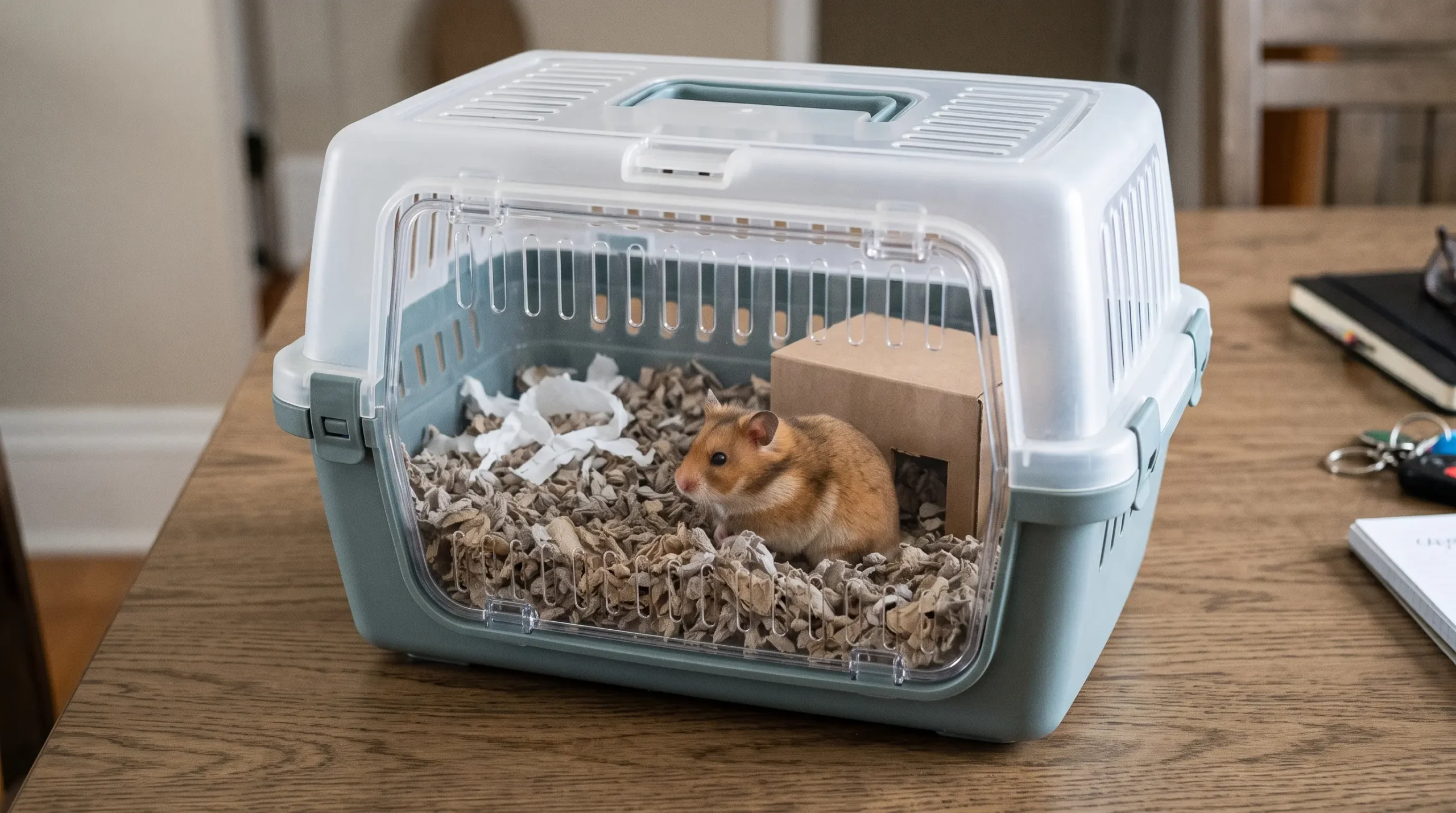
3. Reduce stress without blocking airflow
Keep the carrier away from loud sounds and unnecessary movement. A light cover over part of the carrier may reduce visual disturbance, provided the ventilation remains completely unobstructed.
Do not wrap the carrier tightly in towels or enclose it in an airtight bag or box.
4. Maintain a comfortable travel environment
Use a comfortably temperature-controlled vehicle, keeping the carrier away from direct sunlight, heating vents, and cold drafts.
Place the carrier securely so it cannot slide or tip. Do not leave your hamster unattended in a parked car.
For an urgent short trip, do not delay departure to create an elaborate feeding setup. Ask the clinic about food or water if the journey may be prolonged, and avoid open water containers that could spill into the bedding.
The RSPCA hamster health guidance emphasizes careful handling and reducing the stress associated with necessary transportation.
What Information Should You Tell the Emergency Vet?
The veterinarian needs a clear picture of what changed and how quickly. If possible, have the following information ready:
- When symptoms started: Suddenly, within a few hours, or gradually over several days.
- What you observed: Open-mouth breathing, wheezing, increased effort, discharge, weakness, or reduced activity.
- Appetite and drinking: Whether your hamster has been eating and drinking normally.
- Possible exposures: Recent use of insecticides, sprays, fragrances, smoke, new bedding, or cleaning products.
- Environment: Any recent overheating, extreme cold, or ventilation problem.
- Medical history: Age, previous illnesses, medications, and any recent veterinary treatment.
If your hamster is stable enough and recording would not delay leaving, a brief video of the abnormal breathing may help the veterinarian understand what you saw. Never handle or disturb your hamster just to make a recording.
What Could Be Causing the Breathing Trouble?
Several conditions can produce respiratory distress in hamsters. A veterinarian must determine the actual cause.
Possible problems include respiratory infections such as pneumonia, inhaled irritants, overheating, and certain heart or lung disorders. Some illnesses also cause weakness, reduced appetite, or nasal discharge alongside abnormal breathing.
For example, the Merck Veterinary Manual notes that respiratory infections may cause breathing difficulty, low activity, and discharge from the nose or eyes. It also describes heart disease as a possible cause of rapid breathing in some older Syrian hamsters.
However, these signs overlap. It is not possible to diagnose pneumonia or another specific condition from breathing sounds alone.
If the problem began around pesticide use, our hamster insecticide-fume exposure guidehamster overheating emergency guide.
Neither guide should delay the trip to the veterinarian when breathing is already difficult.
What Might the Veterinarian Do?
The first priority is to assess and stabilize your hamster’s breathing while minimizing unnecessary stress.
Depending on the condition and available equipment, the veterinary team may provide oxygen support, assess temperature and hydration, and perform a focused examination.
Additional testing or treatment depends on the suspected cause and how stable your hamster is. A respiratory infection may require prescription treatment, while exposure-related illness, overheating, or heart disease can require different care.
Some very ill hamsters may not tolerate extensive handling or immediate diagnostic tests. The veterinarian will balance the need for information against the risks of further stress.
Do not attempt to recreate emergency oxygen therapy or other clinical treatment at home using improvised equipment.
What If No Exotic-Pet Veterinarian Is Available?
Call the nearest emergency veterinary hospital and explain that your hamster is struggling to breathe. Ask whether they can assess or stabilize a small mammal and whether they can direct you to an available exotic-animal veterinarian.
Not every emergency clinic treats hamsters, so confirming that the clinic can help is valuable. But do not spend hours searching for an ideal specialist while your hamster remains in severe respiratory distress.
The Merck Veterinary Manual’s hamster care guidance
The Most Important Thing to Remember
A hamster struggling to breathe needs veterinary help, not a trial of home treatments. Watch for open-mouth breathing, increased effort, severe weakness, and collapse, but do not wait for every warning sign to appear.
Contact an emergency clinic, keep handling to a minimum, and transport your hamster in a secure, ventilated carrier as calmly as possible.
Prompt veterinary assessment offers the best opportunity to identify the problem and provide appropriate care.
Veterinary emergency disclaimer: This article provides general emergency guidance and does not replace diagnosis or treatment by a veterinarian. Breathing difficulty in a hamster can become serious quickly. Seek urgent professional care rather than relying on home remedies or online advice.
Sources & Veterinary References
- Merck Veterinary Manual — Disorders and Diseases of Hamsters
- Merck Veterinary Manual — Routine Health Care of Hamsters
- Merck Veterinary Manual — Clinical Signs of Respiratory Disease in Animals
- PetMD — Does My Hamster Have a Cold? (Veterinary Reviewed)
- RSPCA — Hamster Health and Welfare Advice
- RSPCA — Transporting Your Hamster (PDF)