Dog Ate Rat Poison? What to Do Before Symptoms Start

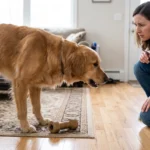
You find a chewed bait station, a torn packet, or several missing rodenticide blocks—and your dog is standing beside the mess looking completely normal.
Do not wait for symptoms. Rat and mouse poisons can contain very different active ingredients, and some can cause serious injury before a dog looks sick. Contact your veterinarian, an emergency veterinary hospital, or a veterinary poison-control service immediately and keep the product packaging with you.
What to do now: Remove your dog from the bait, call for professional poison advice immediately, and identify the exact product and active ingredient if possible. Estimate how much may be missing and when exposure could have happened. Do not induce vomiting or give hydrogen peroxide, vitamin K, activated charcoal, milk, food, or another home treatment unless a veterinarian or veterinary poison specialist specifically tells you to do so.
Why a Dog Can Look Fine and Still Be in Danger
“Rat poison” is not one toxin.
Different rodenticides can interfere with blood clotting, damage the brain and spinal cord, cause dangerously high calcium levels and kidney injury, or produce toxic phosphine gas in the stomach.
Some effects are delayed.
With anticoagulant rodenticides, for example, clotting abnormalities usually develop before obvious bleeding. Clinical bleeding may not appear until roughly 3–7 days after a toxic ingestion.
So a dog acting normal immediately after eating bait is not evidence that the exposure was harmless.
The Merck Veterinary Manual emphasizes that accurate identification of the active ingredient is critical because rodenticides differ substantially in toxicity, clinical effects, and treatment.
What to Do Right Now
1. Stop Further Access
Move your dog away from the bait and prevent other pets from reaching it.
Collect loose pieces only if you can do so safely, but do not delay the veterinary call while cleaning the entire area.
2. Call Immediately
Known or suspected rodenticide ingestion warrants prompt professional advice even if your dog has no symptoms.
In the United States, you can contact:
- ASPCA Animal Poison Control Center: 888-426-4435
- Pet Poison Helpline: 855-764-7661
Consultation fees may apply. You can also call your veterinarian or nearest emergency veterinary hospital directly.
If your dog is already showing symptoms, a substantial amount appears to be missing, or you cannot obtain poison-control advice promptly, go to an emergency veterinary hospital and bring the product information with you.
3. Identify the Exact Product
Look for the active ingredient, not just the brand name.
Useful information includes:
- Product name
- Active ingredient
- Ingredient concentration
- EPA registration number, if present
- Type of bait or formulation
- Approximate amount originally present
- Approximate amount now missing
- Possible time of ingestion
- Your dog’s approximate weight
If a pest-control company placed the bait, contact the company for the exact product name or service record while veterinary care is being arranged.
Do not identify rat poison by its color, shape, or texture. Similar-looking baits can contain completely different active ingredients.
4. Do Not Give Food, Medication, or a Home Antidote
Do not start vitamin K, activated charcoal, hydrogen peroxide, milk, oil, or another treatment while guessing which poison was eaten.
The correct response depends on the active ingredient and the dog’s condition.
This is particularly important with phosphide rodenticides because food in the stomach can increase phosphine-gas production.

Do Not Make Your Dog Vomit Unless a Professional Tells You To
Early gastrointestinal decontamination can be valuable after some rodenticide exposures, especially when treatment begins soon after ingestion.
But whether vomiting is appropriate depends on:
- The active ingredient
- How long ago the bait was eaten
- Whether the dog is neurologically stable
- Whether respiratory signs are present
- Aspiration risk
- Other medical conditions
Do not give hydrogen peroxide simply because your dog ate rat poison.
Phosphide rodenticides create an additional human-safety concern because vomit can release toxic phosphine gas.
If phosphide bait is suspected and your dog vomits spontaneously: avoid putting your face near the vomit, maximize ventilation while keeping yourself safe, and alert the veterinary hospital before arrival. If vomiting occurs during transport, open vehicle windows when practical. If a person develops symptoms after breathing the fumes, seek human medical or poison-control advice.
Four Important Rodenticide Types Require Different Responses
The rodenticide market includes multiple ingredients and formulations. The following four categories are especially important in canine poisoning because their effects and treatments differ substantially.
| Active Ingredient Type | Main Danger | Signs May Include | Key Point |
|---|---|---|---|
| Anticoagulants | Failure of normal blood clotting and internal bleeding | Weakness, pale gums, bruising, coughing, rapid breathing, nosebleeds, blood in urine or stool | Vitamin K1 can be an antidote when this is the correct toxin. |
| Bromethalin | Brain and spinal cord swelling | Weakness, poor coordination, tremors, seizures, paralysis, altered responsiveness | There is no specific antidote; early decontamination can be critical. |
| Cholecalciferol (Vitamin D3) | Dangerously high calcium and phosphorus with kidney and soft-tissue injury | Vomiting, poor appetite, weakness, increased thirst and urination | There is no specific antidote and prolonged monitoring may be needed. |
| Phosphides | Production of toxic phosphine gas and severe systemic poisoning | Vomiting, abdominal pain or bloating, weakness, breathing difficulty, tremors, seizures, collapse | Phosphine from vomit can also expose people. |
Anticoagulant Rat Poison: Why Waiting for Bleeding Is Dangerous
Anticoagulant rodenticides include ingredients such as brodifacoum, bromadiolone, difenacoum, difethialone, diphacinone, chlorophacinone, and warfarin.
They interfere with the body’s ability to recycle vitamin K and produce normal clotting factors.
After a toxic exposure, clotting abnormalities are delayed. Merck reports that clinical bleeding typically becomes apparent roughly 3–7 days after ingestion.
By the time an owner notices pale gums, weakness, breathing difficulty, bruising, nosebleeds, or blood in the urine or stool, substantial bleeding may already have occurred.
Do Not Start Vitamin K on Your Own
Vitamin K1 is an important antidote for anticoagulant rodenticide poisoning—but only when an anticoagulant is actually responsible.
It does not treat bromethalin, cholecalciferol, or phosphide poisoning.
Veterinary recommendations depend on the exact ingredient, estimated dose, timing, testing, and the dog’s condition.
Bromethalin: A Neurologic Poison With No Antidote
Bromethalin is not a blood thinner.
It is a neurotoxic rodenticide that disrupts cellular energy production in the nervous system and can cause cerebral edema.
Signs may include:
- Unusual lethargy
- Weakness
- Stumbling or poor coordination
- Tremors
- Seizures
- Paralysis
- Changes in responsiveness or behavior
Current Merck guidance states that bromethalin has no specific antidote and emphasizes early decontamination after significant exposure.
Neurologic effects can be delayed, and once significant signs develop, recovery may be prolonged.
Cholecalciferol: Rat Poison That Can Damage the Kidneys
Cholecalciferol is vitamin D3, but rodenticide products contain quantities capable of causing serious poisoning.
Excess vitamin D disrupts calcium and phosphorus regulation. These minerals can rise to dangerous levels and begin damaging or mineralizing soft tissues, particularly the kidneys.
Signs may include:
- Vomiting
- Reduced appetite
- Weakness
- Increased thirst
- Increased urination
- Dehydration
Merck’s current pet-owner guidance notes that clinical signs commonly begin within approximately 18–36 hours after ingestion, although laboratory abnormalities and complications can continue to evolve afterward.
There is no specific antidote, and treatment may require extended monitoring of calcium, phosphorus, kidney function, and hydration.
Zinc, Aluminum, and Magnesium Phosphides: Protect Yourself Too
Phosphide products are unusual because they can react in the stomach and release phosphine gas.
This can severely poison the dog while also creating an inhalation hazard for people exposed to fumes from vomit.
Possible signs include:
- Sudden vomiting
- Heavy drooling
- Abdominal pain or bloating
- Weakness
- Difficulty breathing
- Tremors or seizures
- Shock or collapse
Signs may appear rapidly after exposure.
Do not lean over or closely inspect vomit when phosphide ingestion is suspected. Alert veterinary staff before arrival so appropriate ventilation precautions can be prepared.
What If You Do Not Know Which Rat Poison Was Eaten?
This is common, especially when bait was placed by a previous homeowner, landlord, neighbor, or pest-control company.
Do not delay professional advice while trying to identify the poison from an internet photograph.
Tell the veterinarian or poison specialist:
- Where the bait was found
- Its approximate size and formulation
- How much may be missing
- When exposure could have happened
- Where the product came from or who placed it
- Any packaging, receipt, invoice, or service record you can locate
Merck notes that bait color, shape, formulation, and size are not reliable enough to identify an active ingredient by themselves.
When the exact toxin cannot be determined, veterinary toxicologists may recommend decontamination, testing, and monitoring based on the plausible ingredients involved.
What May Happen at the Veterinary Clinic?
The veterinary plan depends heavily on the product, amount, timing, and your dog’s condition.
If ingestion was recent and your dog is clinically stable, the medical team may consider gastrointestinal decontamination under controlled conditions.
Other evaluation or treatment may include:
- Blood-clotting tests when anticoagulant exposure is suspected
- Calcium, phosphorus, and kidney monitoring after cholecalciferol exposure
- Neurologic monitoring after bromethalin exposure
- Intravenous fluids and supportive care
- Medication selected for the specific toxin or complication
- Hospitalization when the exposure or symptoms warrant it
Dogs with severe anticoagulant bleeding may require blood products. Neurologic, kidney, respiratory, or cardiovascular complications can require intensive supportive care.

When to Go Straight to the Emergency Vet
Suspected rat-poison ingestion deserves prompt professional advice even before symptoms appear.
Go to an emergency veterinary hospital immediately if your dog develops:
- Difficulty breathing
- Pale or white gums
- Unexplained bruising or bleeding
- Marked weakness
- Stumbling or inability to walk normally
- Tremors
- Seizures
- Repeated vomiting
- A swollen or painful abdomen
- Collapse or markedly reduced responsiveness
Do not use the absence of symptoms to decide whether the amount eaten was dangerous. Risk depends on the active ingredient, concentration, estimated dose, timing, and your dog’s body weight.
What to Take With You
Bring the original packaging whenever possible.
If the container is too large or unsafe to transport, take clear photographs showing:
- The front product label
- Active ingredient
- Ingredient concentration
- EPA registration number, when present
- Product formulation or directions
If a veterinarian or poison specialist specifically asks for an intact bait sample, transport it securely without unnecessary handling.
Also write down how much bait you think was present before the exposure and how much appears to be missing. Even an imperfect estimate can help with risk assessment.
After the Emergency
Once the immediate exposure has been medically addressed, secure the remaining rodenticide so the same access point cannot be used again.
Our pesticide storage guide for dog homes covers chewed containers, storage locations, spills, and garage exposure separately.
It can also help to keep emergency veterinary details and poison-control numbers organized in advance. Our pet first-aid kit checklist provides a practical place to organize those emergency essentials.
Frequently Asked Questions
My Dog Ate Rat Poison but Seems Fine. Can I Watch for Symptoms?
No. Several rodenticides can cause delayed illness, and treatment may be more effective before clinical signs develop. Contact a veterinarian or veterinary poison-control service immediately.
Should I Give Vitamin K?
Not unless a veterinarian directs you to do so. Vitamin K1 is used for anticoagulant rodenticide poisoning but does not treat bromethalin, cholecalciferol, phosphides, or every product sold for rodent control.
Can I Identify Rat Poison by Its Color?
No. Different rodenticides can have similar colors, shapes, and formulations. The active ingredient, product label, registration information, receipt, or pest-control service record is much more useful.
How Long Does It Take for Symptoms to Appear?
There is no single timeline. Phosphide poisoning can cause rapid signs, cholecalciferol often begins causing illness within roughly 18–36 hours, bromethalin effects can be delayed, and anticoagulant bleeding may not become obvious for several days.
Do not wait for the expected symptom window before seeking advice.
Is a Tamper-Resistant Bait Station Completely Dog-Proof?
No. Merck notes that companion animals may still damage some pet-resistant bait stations and gain access to the bait. A chewed, damaged, or missing station should be treated as a potential exposure until the contents can be accounted for.
Sources & Editorial Standards
This guide focuses specifically on suspected direct rodenticide ingestion and what to do before symptoms develop. It does not replace case-specific veterinary toxicology advice or attempt to cover the separate topic of primary versus secondary poisoning prevention.
- Merck Veterinary Manual — Overview of Rodenticide Poisoning in Animals
- Merck Veterinary Manual — Rodenticide Poisoning
- ASPCA — Rodenticide and Your Pet: What You Need to Know
- Pet Poison Helpline — Mouse and Rat Poison
- Pet Poison Helpline — Phosphides
Veterinary disclaimer: This article provides general educational information and cannot determine whether a particular rodenticide exposure is toxic for an individual dog. Risk depends on the active ingredient, concentration, amount swallowed, timing, and the dog’s body weight and health. If you know or suspect that your dog ate rat or mouse poison, contact a veterinarian or veterinary poison-control service immediately rather than waiting for symptoms.