Tick Yard Treatments and Dogs: Safer Timing, Drying, and Reentry
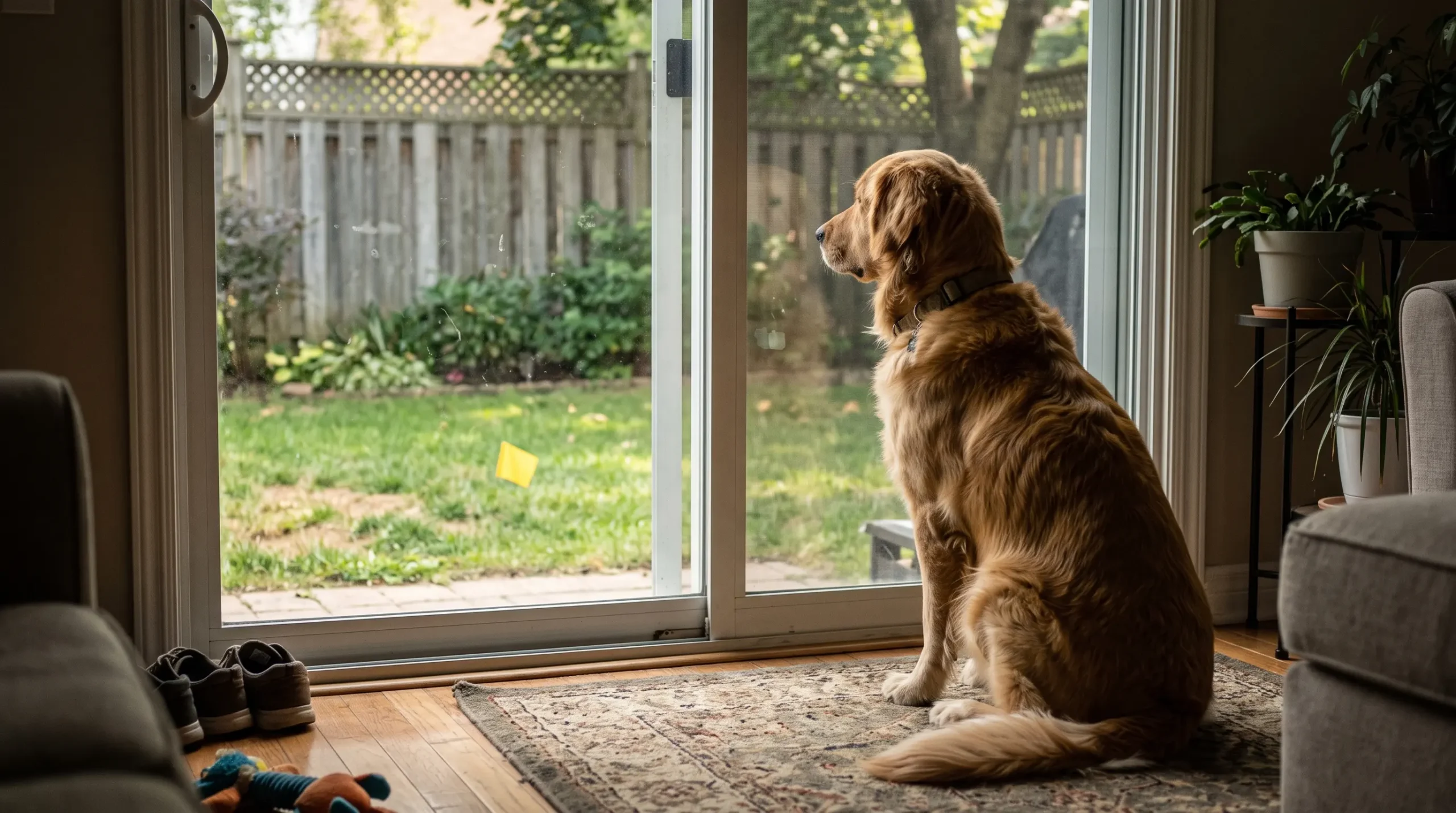
Your dog heads straight for the shaded fence line every time you open the backyard door. You’ve spotted ticks nearby, and a yard treatment sounds appealing. But once the yard is treated, how long should your dog stay inside?
The practical answer: Keep your dog away during application and follow the exact pet reentry instructions on the pesticide label. For many liquid sprays, the treated surfaces must dry completely before pets return. Some products require additional waiting or other steps. Granular treatments may need watering and drying, sometimes taking 24 hours or longer. There is no universal waiting period for every tick treatment.
Does Your Entire Yard Need Tick Treatment?
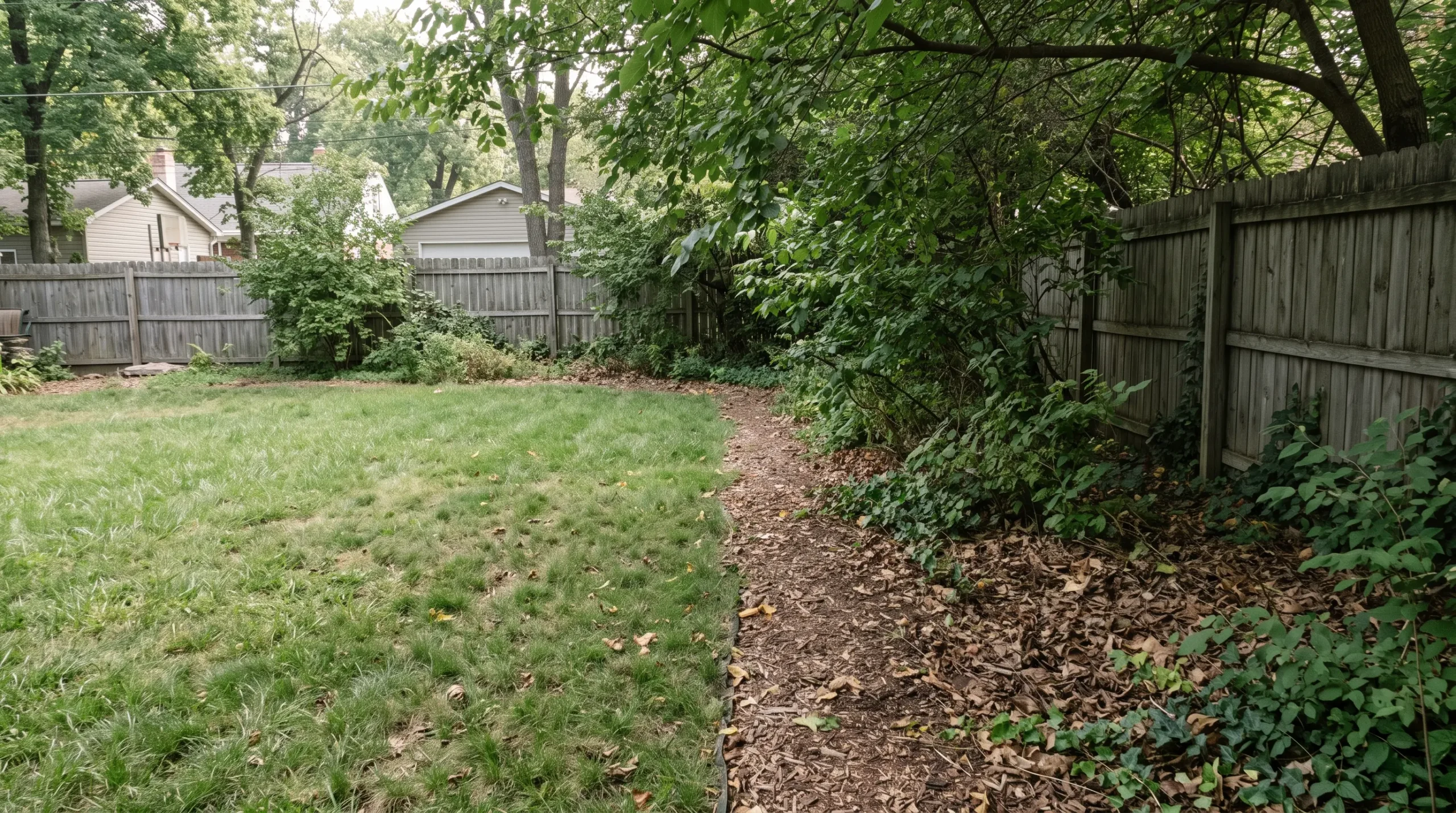
Not necessarily. Ticks are often associated with shaded, humid areas, leaf litter, brush, and the transition between maintained lawns and wooded vegetation. An open, frequently mowed lawn may have less tick activity than the edges surrounding it.
The CDC recommends reducing tick habitat around homes and considering pesticide treatment as one possible part of tick prevention—not the only protection.
Before deciding to spray, look at where your dog actually spends time. Does your dog push through shrubs, explore piles of leaves, or rest beside the fence? Those locations may matter more than the middle of the lawn.
Where Tick Yard Treatments Make the Most Sense
Depending on local tick activity and the product label, potential treatment locations may include:
- Shaded vegetation along wooded property boundaries.
- Brushy areas where ticks have been identified.
- Leaf-litter edges adjoining regularly used paths or play spaces.
- Other specific tick habitats identified by a qualified local pest professional.
This does not mean every wooded edge should automatically be sprayed. Treatment should be justified by actual tick risk, permitted by the product label, and consistent with local pesticide rules.
Targeting suitable tick habitat can help avoid unnecessary applications on the open grass where your dog plays, although it does not eliminate exposure risk if your dog regularly enters treated vegetation.
For broader pesticide selection and general lawn-spray considerations, see our guide to pest sprays around dogs.
Check the Product Label Before Treating
Not every outdoor insecticide is approved for ticks, and not every tick-control product is approved for residential lawns or ornamental vegetation.
Before purchasing or applying a product, confirm:
- Target pest: Does the label include ticks?
- Approved location: Does it permit the exact lawn, vegetation, or yard-edge application you intend?
- Application method: Is it a spray, granular treatment, or another formulation, and what directions apply?
- Pet exclusion: Must dogs remain away during application, until drying, or for a longer period?
- Environmental restrictions: Are there limitations involving wind, rain, drainage, water features, or nearby sensitive areas?
In the United States, use products registered for the intended use and follow their EPA-approved labels. In Canada, check the applicable Health Canada registration and local or provincial restrictions.
Never apply a flea-and-tick product intended for direct use on dogs to the yard unless its label specifically authorizes that use. Likewise, a yard pesticide must never be applied directly to your dog unless its label expressly permits it.
If you’re unsure which label sections matter, our pesticide label guide for pet owners explains how to find the use restrictions and reentry instructions.
Timing Yard Treatment Around Your Dog
Plan treatment for a time when you can reliably keep your dog away from the application area for the entire required period.
Before the treatment
- Choose an untreated indoor space or another suitable place where your dog can stay comfortably.
- Remove outdoor water bowls, food dishes, toys, chews, and dog bedding from the areas that may receive treatment or drift.
- Identify your dog’s normal routes between the door, lawn, fence, and favorite resting areas.
- Check the weather against the product label. Avoid conditions that could cause prohibited drift or runoff.
- Arrange an alternative potty area or walk route outside the treatment zone if necessary.
If a professional is treating the yard, tell them beforehand that you have a dog. Ask exactly which areas will be treated, what product will be used, and when your dog may return.
During application
Keep your dog completely outside the treatment area. A leash alone is not enough protection if your dog can still enter the spray path, inhale mist, or investigate freshly treated vegetation.
Follow the label’s application directions and keep spray away from unintended surfaces. Avoid contaminating pet items, drinking-water containers, drains, or other areas the label requires you to protect.
Do not apply extra product to a dog’s favorite route merely because you think it will provide stronger tick control. Increasing the amount or treating an unapproved surface can create unnecessary exposure.
How Long After Tick Yard Treatment Can Dogs Go Outside?
The required waiting period depends on the actual product and formulation, not simply the clock.
Liquid sprays
For many outdoor sprays, the relevant label condition is that the treated vegetation or surface must be fully dry before pets return. Other products may specify additional restrictions or waiting periods.
Drying depends on weather, shade, humidity, vegetation, and the amount of liquid applied. A sunny patch of grass can dry before a shaded fence line.
Do not assume the entire treatment area is ready just because the patio or central lawn feels dry.
Granular treatments
Some granular products require watering into the soil. Depending on the label, pets may need to stay away until watering is complete, granules have dissolved or are no longer accessible, and treated surfaces have dried.
Official pesticide-safety guidance notes that some granular lawn products can require 24 hours or longer. That is not a universal minimum or maximum: follow the actual product instructions.
Professional yard treatments
Ask the applicator for the specific dog reentry requirements, preferably in writing. A vague statement such as “It’s pet-friendly” or “You can go out later” is not enough.
If you do not know what product was applied, keep your dog out of the treated area until the company identifies it and confirms the required conditions.
The two-part reentry check: First, every waiting period or other restriction on the product label must be satisfied. Second, the physical conditions required by the label—such as complete drying or watering-in—must actually be complete. If either condition is uncertain, wait and confirm before allowing access.
What Changes Your Dog’s Exposure Risk?
A yard can look normal after treatment, but your dog’s habits still matter.
- Paws and coat: Walking or rolling through wet vegetation can transfer pesticide to fur and skin.
- Grooming: A dog may swallow transferred material while licking its paws or coat.
- Grass and plants: Chewing freshly treated vegetation can create a different exposure route from simply walking past it.
- Granules and spills: Visible granules, spilled concentrate, or accessible containers can present more direct opportunities for ingestion.
- Puddles and runoff: Water in or near treated areas should not be treated as safe drinking water for your dog.
Importantly, dry does not mean pesticide-free. Residues may remain after drying. When the label’s reentry conditions are satisfied, the opportunity for exposure to freshly applied wet material is generally reduced, but this is not a guarantee of zero risk.
Before Letting Your Dog Back Into the Yard
Use this short check rather than guessing:
- Confirm the product: Know exactly what was used and where.
- Check the label: Verify that the pet reentry instructions have been satisfied.
- Check the treated area: Ensure sprays are fully dry wherever the label requires drying, including shaded vegetation.
- Check granular conditions: Complete any required watering and drying steps; do not allow access to granules contrary to label instructions.
- Restore pet items: Return clean bowls, toys, and bedding only after the relevant restrictions have been met.
Don’t automatically hose down the yard to make it “safer.” Unplanned watering can move pesticide into unintended areas or conflict with the application directions. Follow the label or ask the applicator how a spill or unintended deposit should be handled.
What If Your Dog Enters the Treated Area Too Early?
Move your dog to an untreated area and prevent further contact. Identify the product and check whether your dog walked through wet treatment, swallowed granules, drank contaminated water, or contacted a spill or concentrate.
If significant exposure is possible, contact your veterinarian or an animal poison-control service promptly with the product label and exposure details. Do not wait for symptoms after suspected ingestion of concentrated pesticide.
Possible warning signs vary by chemical and may include drooling, vomiting, weakness, muscle twitching, tremors, or unusual behavior. Difficulty breathing, seizures, collapse, or severe neurological signs require urgent veterinary care.
Do not induce vomiting, administer medications, or attempt chemical neutralization without case-specific veterinary instructions.
Reducing Ticks Without Treating Every Inch of Grass
Yard management can complement targeted treatment. Keep frequently used areas maintained, remove unnecessary leaf litter around dog pathways, and reduce dense brush along lawn edges.
Depending on your property, a wood-chip or gravel border between the maintained lawn and nearby wooded vegetation may also help create a more manageable tick-risk boundary.
These changes do not make a yard tick-free. Ticks can return on wildlife or other animals, and pesticide treatment alone cannot guarantee protection.
Continue using a veterinarian-recommended tick-prevention plan for your dog and checking for ticks after outdoor activity. For a broader approach to reducing pest exposure in dog households, see our dog-focused integrated pest management guide.
The Bottom Line
Tick yard treatment is not automatically necessary for every lawn, and more spraying does not automatically provide better protection. Identify where ticks are likely to occur, use only products authorized for the intended location, and plan around your dog’s daily access.
Let your dog return only when the exact label’s reentry requirements and any required drying or watering steps have been completed. When a professional applies the treatment, request those instructions before the work begins.
Veterinary & pesticide safety disclaimer: This guide provides general prevention information, not an assessment of any specific pesticide product or an individual dog’s exposure. Follow the actual product label and local regulations. Contact your veterinarian or a veterinary poison-control service if accidental exposure is suspected.
Sources & Editorial References
- CDC — Preventing Tick Bites and Reducing Tick Exposure Around Homes
- National Pesticide Information Center — Pesticide Use Around Pets
- National Pesticide Information Center — Preparing for Outdoor Pesticide Treatments
- U.S. EPA — Read the Label First: Protect Your Pets
- Health Canada — Keep Your Pets Safe When Using Pesticides
- Public Health Agency of Canada — How to Prevent Tick Bites